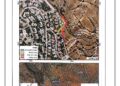
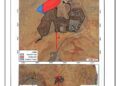
In the occupied West Bank (oWB), the violence committed by Israeli settlers is no longer a series of isolated, random attacks; it has effectively become a de facto policy enforced through the use of force on the ground and enabled by the absence of legal accountability from the Israeli occupation authorities. Israeli settlers have, in practice, become unofficial instruments of the occupation, carrying out daily violations against Palestinians and aimed at intimidating Palestinians, terrorizing them, and seizing their land.
These violations do not target Palestinian citizens alone; they also extend to the seizure of private and public land and property—including the burning and destruction of homes and vehicles—the destruction of natural resources and agricultural lands (including the destruction and uprooting of crops and trees), and attacks on livestock, all as part of a deliberate policy to undermine Palestinian livelihoods, particularly agriculture, which represents a cornerstone of Palestinian resilience.
In parallel, Israeli settlement expansion in the occupied West Bank continues at an accelerated pace through the establishment of illegal outposts, the expansion of existing settlements, and the seizure of Palestinian land by force or through various military orders. The outposts often begin with just a few caravans and gradually develop into permanent settlements, supported by infrastructure provided by right-wing settler groups that back the appropriation of land in the occupied West Bank. Palestinian citizens are prevented from accessing, cultivating, or using their lands adjacent to these outposts for any purpose, effectively allowing settlers to take control over time.
Table 1 illustrates the settlement activities carried out by Israeli settlers during the year 2025, which resulted in the establishment of 65 new outposts in the occupied West Bank. Of these, 20 were in the Nablus governorate, followed by 14 in Ramallah, and eight in each of Hebron and Salfit governorates, respectively.
| Table 1: Newly established Israeli Settlement outposts in 2025 | |||
| Governorate | Date | Settlement Activity | Community |
| Hebron | 10-Sep-25 | Establishment of a new outpost | Al-Rihiya Village – “Khalat al-Ma’asir” Area |
| Hebron | Mid August 2025 | Establishment of a new outpost | Bani Na’im – Jabal Abu Murri Area |
| Hebron | Aug-25 | Pastoral Outpost | Idhna – “Metzpe Shai” |
| Hebron | Jul-25 | Establishment of a new outpost | Halhul – Thahr al-Bu Area |
| Hebron | 18-Aug-25 | Establishment of a new outpost | Yatta – Hawara Area |
| Hebron | 22-Jul-25 | Pastoral Outpost | Beit Ula – Marhan Abu Asida / Wadi al-Raqati Area |
| Hebron | 18-Jun-25 | Establishment of a new outpost | Khirbat Joura al-Khail – Sa’ir |
| Hebron | 14-Apr-25 | Establishment of a new outpost | Al-Hammar Area – South of Dura |
| Jericho | Apr-25 | Pastoral Outpost | Al-Auja – on the slope of a hill, about 200 meters west of the “Netiv HaGdud” settlement. |
| Jericho | Jul-25 | Establishment of a new outpost | Wadi al-Ahmar Area – Fasail Village |
| Jericho | 29-May-25 | Pastoral Outpost | Al-Auja |
| Jenin | Jun-25 | Establishment of a new outpost | Jabal al-Salmeh Area – Raba |
| Ramallah | Nov-25 | Establishment of a new outpost | Deir Jarir – near “Amona” outpost |
| Ramallah | 11-Aug-25 | Establishment of a new outpost | Attara – archaeological site called “Khirbet al-Tarfayn” |
| Ramallah | Jul-25 | Establishment of a new outpost | Deir Nidham – Al-Naqar Area |
| Ramallah | Establishment of a new outpost | Tarmasiya Plain Area | |
| Ramallah | 30-Jun-25 | Establishment of a new outpost | Al-Ma’rajat Area – east of Ramallah |
| Ramallah | 18-May-25 | Pastoral Outpost | Silwad – on the ruins of the archaeological site in “Ayon al-Haramiya” area |
| Ramallah | 11-May-25 | Establishment of a new outpost | Al-Mughayyer al-Deir Bedouin Community – Deir Dibwan |
| Ramallah | 7-May-25 | Pastoral Outpost | Beitillu – Jabal Mustafa al-Ali Area |
| Ramallah | 20-Apr-25 | Establishment of an outpost | Sinjil – “Khirbet al-Tell” Area |
| Ramallah | 16-Apr-25 | Pastoral Outpost | Tarmasiya Plain Area |
| Ramallah | Feb-25 | Pastoral Outpost | Aboud |
| Ramallah | Feb-25 | Pastoral Outpost | Deir Jarir – “Al-Karma” Area, at the intersection of “Alon” bypass road and Bypass Road 449 |
| Ramallah | Feb-25 | Establishment of a new outpost | “Ein Samiya” Area – Kafr Malik |
| Ramallah | Feb-25 | Establishment of a new outpost | “Jaba’it” Area – Al-Mughayyer |
| Salfit | Sep-25 | Pastoral Outpost | Rafat – “Hareeqat al-Hamaima” Area |
| Salfit | 24-Sep-25 | Establishment of a new outpost | Deir Istiya – “Al-Jnainat” Area |
| Salfit | 28-Aug-25 | Establishment of a new outpost | Deir Istiya – “Al-Awarid” Area |
| Salfit | Pastoral Outpost | Deir Istiya – Al-Awarid Area | |
| Salfit | Mid May 2025 | Establishment of a new outpost | Al-Duhur Area Lands – Bruqin, adjacent to Bypass Road 446 |
| Salfit | May-25 | Establishment of a new outpost | Marda Village – “Al-Da’ooq” Area |
| Salfit | 17-Apr-25 | Establishment of a new outpost | Yasuf – “Khalat al-Fula” Area |
| Salfit | Apr-25 | Establishment of a new outpost | “Al-Qa’da” Area – Deir Istiya |
| Tubas | 28-May-25 | Pastoral Outpost | Umm al-Qaba – between Yirza Area and Al-Ras al-Ahmar |
| Tubas | 30-Apr-25 | Establishment of a new outpost | Naba’ Ghazal / Al-Farisiya Area – Wadi al-Maleh |
| Tubas | Mar-25 | Pastoral Outpost | Ain al-Hilweh Area |
| Tubas | Feb-25 | Establishment of a new outpost | Wadi al-Maleh Area – about 100 meters east of Tayseer military checkpoint |
| Tubas | 10-Jan-25 | Establishment of a new outpost | Khalat Khadr – Khirbet al-Farisiya |
| Tubas | Jan-25 | Pastoral Outpost | Qa’oun Plain Area |
| Tulkarem | Aug-25 | Pastoral Outpost | Shufa – “Ras al-Aqra’” Area |
| Tulkarem | Jan-25 | Pastoral Outpost | Ramin Village – “Al-Sharqiya al-Rumana” Site |
| Qalqilyia | 27-Nov-25 | Establishment of a new outpost | Kafr Qaddum – “Al-Wajh al-Shami” Area |
| Qalqilyia | 26-Jun-25 | Establishment of a new outpost | Kafr Qaddum – “Jabal al-Kaddan” |
| Qalqilyia | Apr-25 | Establishment of a new outpost | Kafr Qaddum – “Al-Aqtan al-Sharqi” Area |
| Nablus | 29-Oct-25 | Establishment of a new outpost | Jalud – “Jabal al-Najma” Area |
| Nablus | During Olive Harvest Season | Pastoral Outpost | Asira al-Qibliya – “Al-Kurum” and “Al-Sawana” Sites |
| Nablus | 30-Sep-25 | Establishment of a new outpost | Tel – adjacent to Bypass Road 60, 200 meters from the “Havat Gilad” outpost |
| Nablus | Aug-25 | Establishment of a new outpost | Aqraba – “Al-Khawanq” Area |
| Nablus | 14-Jul-25 | Pastoral Outpost | Salem – near the entrance of Beit Dajan village, closed since 2016 |
| Nablus | 6-Jul-25 | Establishment of a new outpost | Burin – adjacent to Bypass Road 60 |
| Nablus | 6-Jul-25 | Establishment of a new outpost | Beit Amrin – “Al-Thuhur” Site |
| Nablus | 1-Jul-25 | Establishment of a new outpost | Aqraba – Al-Karkafa Area |
| Nablus | 25-Jun-25 | Establishment of a new outpost | Majdal Bani Fadil |
| Nablus | Jun-25 | Establishment of a new outpost | Salem – Al-Ruwaid Area |
| Nablus | May-25 | Establishment of a new outpost | Mountain ‘Eibal – Nablus |
| Nablus | May-25 | Establishment of a new outpost | Asira al-Qibliya – “Habail Amer” Site |
| Nablus | 22-May-25 | Establishment of a new outpost | Bita – Al-Haraeq Area |
| Nablus | 19-Mar-25 | Establishment of a new outpost | “Al-Wajh al-Qibli” Area – Aqraba |
| Nablus | Jan-25 | Establishment of a new outpost | “Ras al-‘Ain” Area – Al-Sawiya |
| Nablus | Feb-25 | Pastoral Outpost | Beita – the area known as “Al-Haraeq” |
| Nablus | Jan-25 | Pastoral Outpost | Qaryut – “Al-Sahlat” Area |
| Nablus | Jan-25 | Establishment of a new outpost | Qusra – near “Majdalim” settlement |
| Nablus | 1-Jan-25 | Pastoral Outpost | Qaryut – “Ras Muwis” Area |
| Nablus | 28-May-25 | Pastoral Outpost | Duma – on a hill at the western entrance of the village, adjacent to the bypass road known as “Alon” |
| Source: Land Research Center, 2025 | |||
Israeli Settler Attack
In 2025, there was a significant increase in the frequency of violations committed by Israeli settlers in the occupied West Bank, impacting every aspect of Palestinian life—from individuals and communities to public and private property, as well as historical and religious sites and natural resources. These violations encompassed the seizure of water springs, attacks on livestock, and assaults on the agricultural sector, particularly during the olive harvest season.
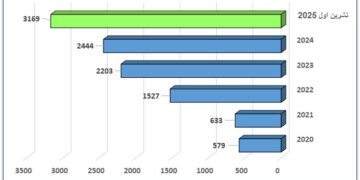
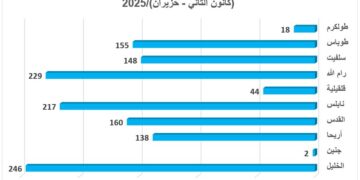
Field data from the Applied Research Institute – Jerusalem (ARIJ) indicate that Israeli settlers committed approximately 3,000 violations in 2025, reflecting a continued escalation compared to previous years. Many of these violations directly targeted unarmed Palestinian civilians through physical assaults and intimidation, restrictions on movement by blocking roads and entrances to Palestinian communities, and attacks on Palestinian vehicles traveling along Israeli bypass roads with stones—creating a daily reality of fear and insecurity. The chart below illustrates the scale of settler violations in the occupied West Bank during 2025.
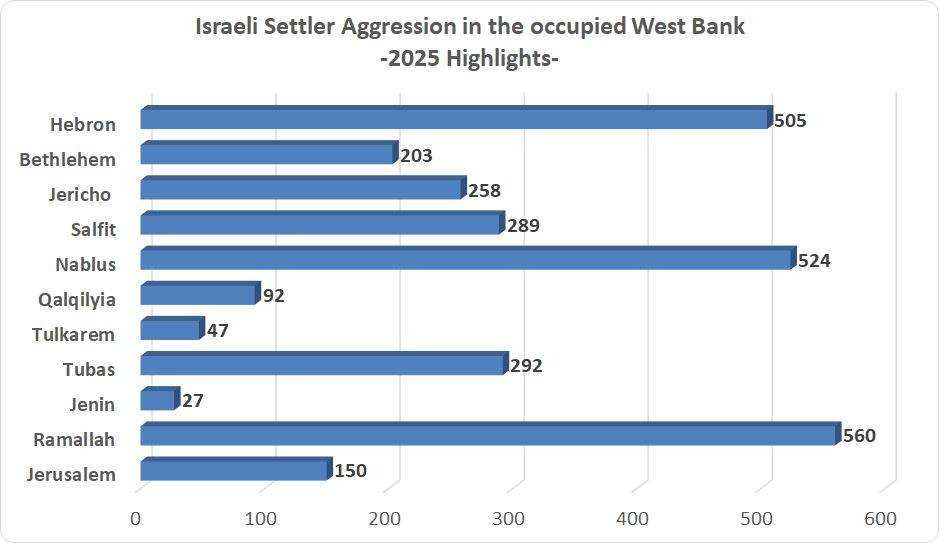
Figure 1: Israeli settler Agression in the occupied West Bank – 2025 Highlights
Ramallah, Nablus, and Hebron ranked as the most affected by settler violations, in that order. These figures go beyond mere statistics, revealing the daily hardships faced by Palestinians in the occupied West Bank, where such violations are closely linked to a systematic settlement policy aimed at displacing Palestinians from their homes and imposing a harsh reality on the ground.
Compared to previous years, 2025 stands out as the most escalated year in terms of the number of violations committed by Israeli settlers in the oWB, not only in terms of scale but also in terms of the nature of these violations. While settler violations in previous years were largely concentrated around the “olive harvest season,” 2025 saw a significant shift: : attacks occurred daily across multiple areas of the West Bank, including assaults with weapons, more extensive destruction of private property, and the establishment of additional pastoral outposts, leading to the seizure of more Palestinian lands.
These violations reflect a shift by settlers from a policy of intimidation and terror to one of enforcing a “fait accompli” on Palestinian land through the use of force. This escalation is further reinforced by the lack of punishment or legal accountability from both the Israeli occupation authorities and the international community, which encourages the repetition and continuation of such violations. As a result, 2025 is considered as the most violent year to date, marking a “new phase” of systematic settler escalation that forms part of an ongoing policy aimed at reshaping
In Conclusion
The violations carried out by Israeli settlers in the occupied West Bank against Palestinian citizens, land, and property represent a continuous breach of international law. They constitute a clear violation of the Fourth Geneva Convention of 1949, particularly Article 49, paragraph 6, which “prohibits an occupying power from transferring its civilian population into the territory it occupies or from exercising repression against the indigenous population.”
The ongoing Israeli settler attacks on Palestinian civilians, their property, and land, combined with impunity and the absence of legal accountability, turn these violations into a systematic tool for imposing an unlawful reality in the occupied Palestinian territory. This threatens the fundamental rights of Palestinians, foremost among them Article 3 of the Universal Declaration of Human Rights, dated December 10, 1948, which states that “Everyone has the right to life, liberty, and security of person.”
Prepared by:
The Applied Research Institute – Jerusalem